

When revisiting the trajectory of the automotive market—especially the pickup segment—it becomes impossible to ignore the impact of the classic models that paved the way for everything we know today. These vehicles transcended their utilitarian purpose and became symbols of strength, robustness, and versatility. At a time when Brazil was consolidating its industrial identity, these machines played a strategic role, building an emotional connection that remains strong today among professionals, farmers, adventurers, and collectors.
From a strategic standpoint, it becomes clear that these pickups not only moved the market but also generated trends, set quality standards, and established a mindset that continues to influence contemporary launches. They were, and still are, historical benchmarks.
A Golden Era: When Pickups Became Part of National Culture
Since the 1960s, Brazil has embraced pickups as part of its work identity and lifestyle. Whether on farms, businesses, dirt roads, or urban centers, they became essential assets for productivity, mobility, and operational performance.
This rise did not happen by chance. It was the result of a formula that combined robust engineering, proven durability, and a growing perception of value. Consumers discovered that a pickup was more than just a vehicle—it was a true partner on the journey.
Chevrolet C-10: A Milestone of National Engineering
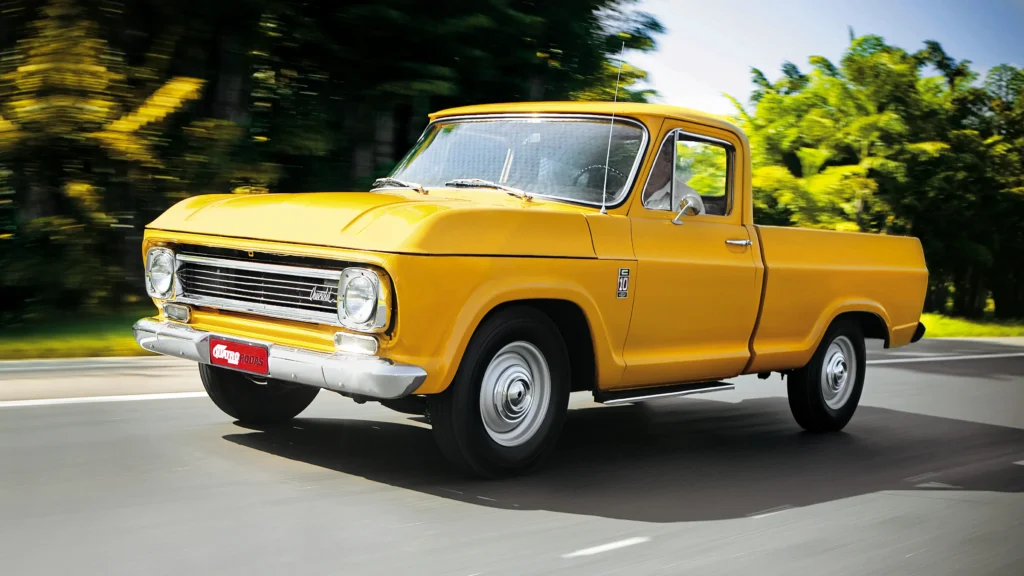
Launched in 1964, the Chevrolet C-10 became one of the greatest icons ever produced in Brazil. It embodied what we now call a corporate standard: reliability, load capacity, and performance aligned with market needs—a true powerhouse on wheels. Its simple yet imposing design reflected the era’s purpose. Its extremely resistant mechanics won over farmers, merchants, and independent professionals, solidifying the culture of heavy-duty utility vehicles in the country.
To this day, collectors value the C-10 for its commanding presence and authentic spirit—a symbol of an era when engineering prioritized longevity, considered by many the “source code” of modern pickups.
Ford F-1000: The Favorite of an Entire Generation
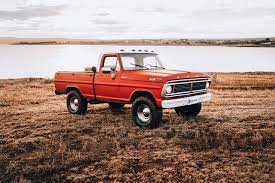
If any pickup reached legendary status in Brazil, it was the Ford F-1000. Produced for decades and considered modern for its time, it became an absolute reference in agribusiness. Strong, reliable, and powered by engines built to last, the F-1000 supported Brazil’s development. It was a strategic asset for anyone who depended on operational efficiency.
The diesel version, launched in the 1980s, solidified the F-1000 as the market leader. Its combination of brute strength and comfort—advanced by the standards of the era—turned it into a timeless icon.
Toyota Bandeirante: Resistance That Became Legend
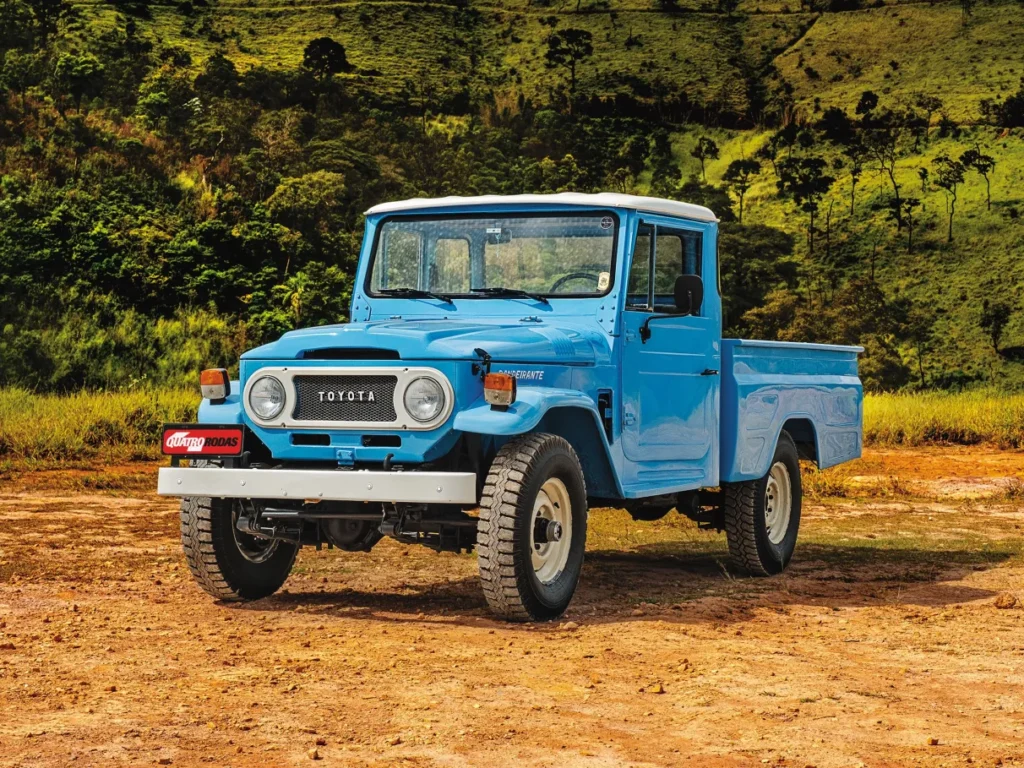
Often associated with off-road vehicles, the Toyota Bandeirante line also introduced pickup versions that made history. Known for its nearly indestructible resistance and equipped with a Mercedes-Benz engine, it became a national symbol of reliability. It was the type of vehicle that maintained performance for decades, even in extreme conditions.
Today, the Bandeirante is considered a successful case—remembered as a technical benchmark in durability and low maintenance.
Dodge D100 and D200: American Power with a Brazilian Touch
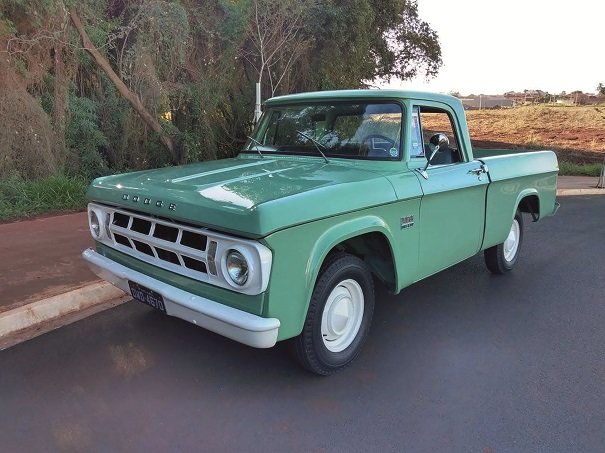
In the 1970s, Dodge pickups drew attention with their robust design and powerful engines. Ahead of their time in performance and comfort, they gained major traction in rural areas. Today, they are rare collector’s items with high demand from enthusiasts dedicated to restoring these historic machines.
The Impact of These Pickups on Today’s Brazilian Market
From a corporate perspective, it is clear how these pickups directly influenced the industry’s evolution. They taught Brazilian consumers to value power, safety, durability, and cargo space—mindsets that still drive the market.
Many features seen in modern pickups—from improved sealing systems to more sophisticated tonneau covers—emerged from decades of insights collected through intensive use of these classic models.
The innovation pipeline of current manufacturers still echoes the lessons these vehicles left: functional simplicity, solid construction, and focus on user experience.
Nostalgia Fueling an Entire Market
The vintage pickup market has grown exponentially in recent years. Professional restorers, specialized workshops, and collectors have turned these models into high-value investments. Events, clubs, and meetups dedicated exclusively to classic pickups reflect the emotional impact these vehicles left behind—and prove a simple truth: whoever loves pickups, loves history.
Why Do Classic Pickups Continue to Inspire the Future?
Because they represent corporate and emotional values that transcend generations: strength, trust, stability, and resilience.
These pickups helped build roads, businesses, memories, and identities. They symbolize a time when design and engineering focused relentlessly on durability. And this legacy remains alive in the development of new products, technologies, and solutions. Even today, leading brands like Flash Cover recognize the value of these roots and continue to innovate without losing sight of what has always guided the segment: the tradition that drives the future.